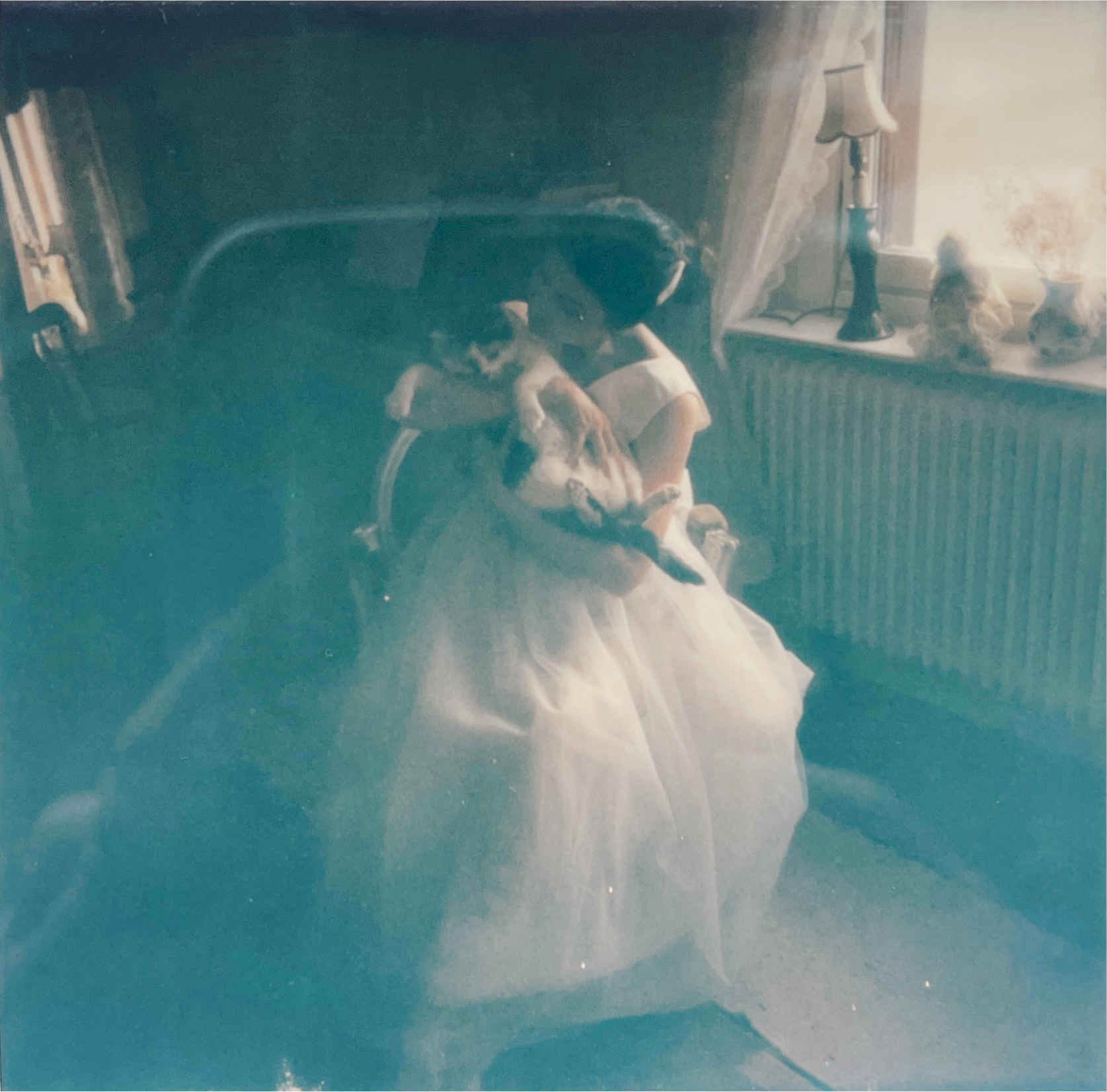
A quarter of blossoming. Of building, remembering, praying, and refusing to bow.
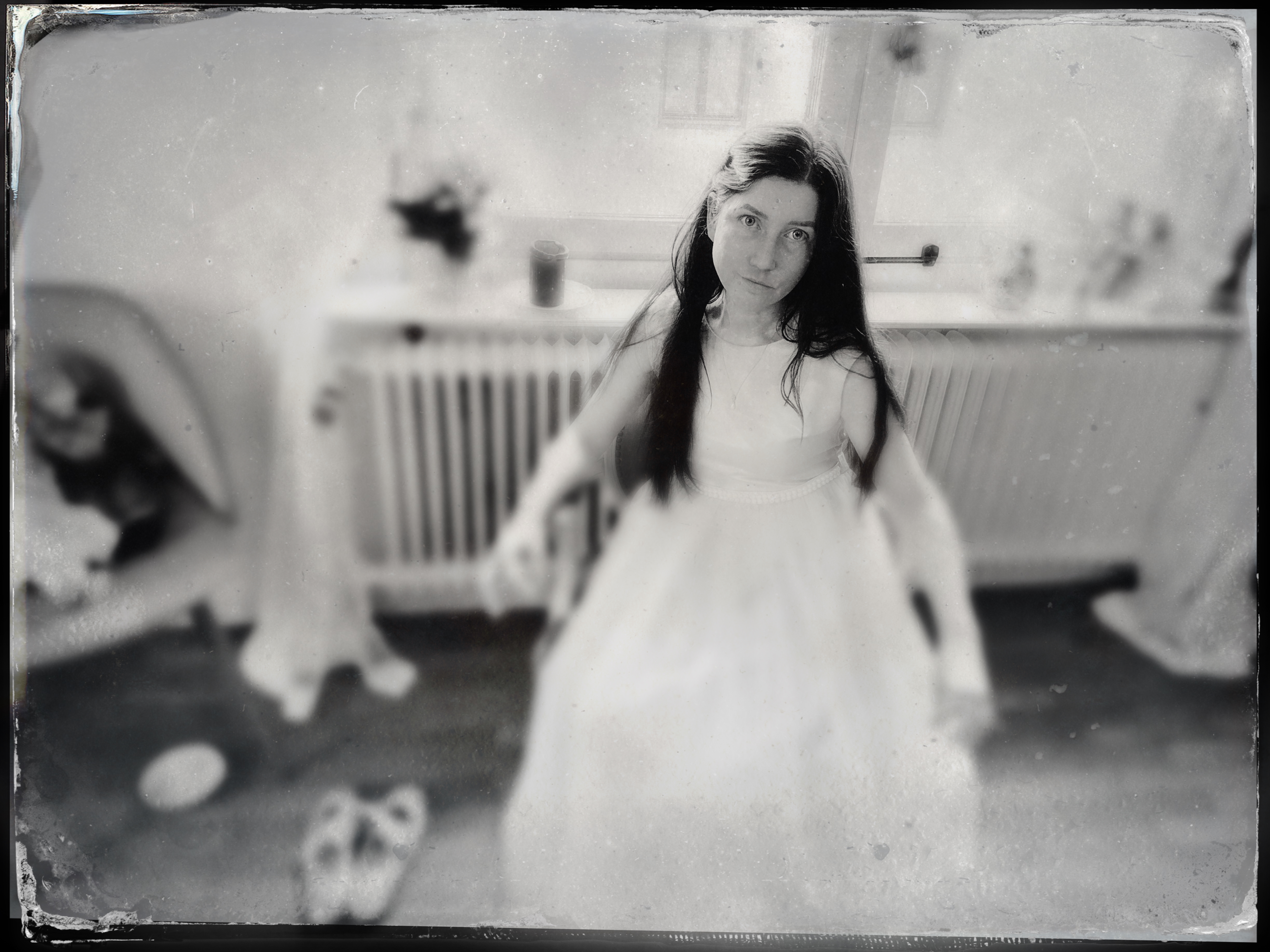
January — The Seed
I almost died last spring. I need to say that, because everything that follows is shaped by the fact that I didn't.
January arrived and I was still here. Still breathing. Still making tea, still watching the birds, still writing notes at odd hours — except now every note felt like proof of something. Proof of life. Proof that the tiny sparrow still sang.
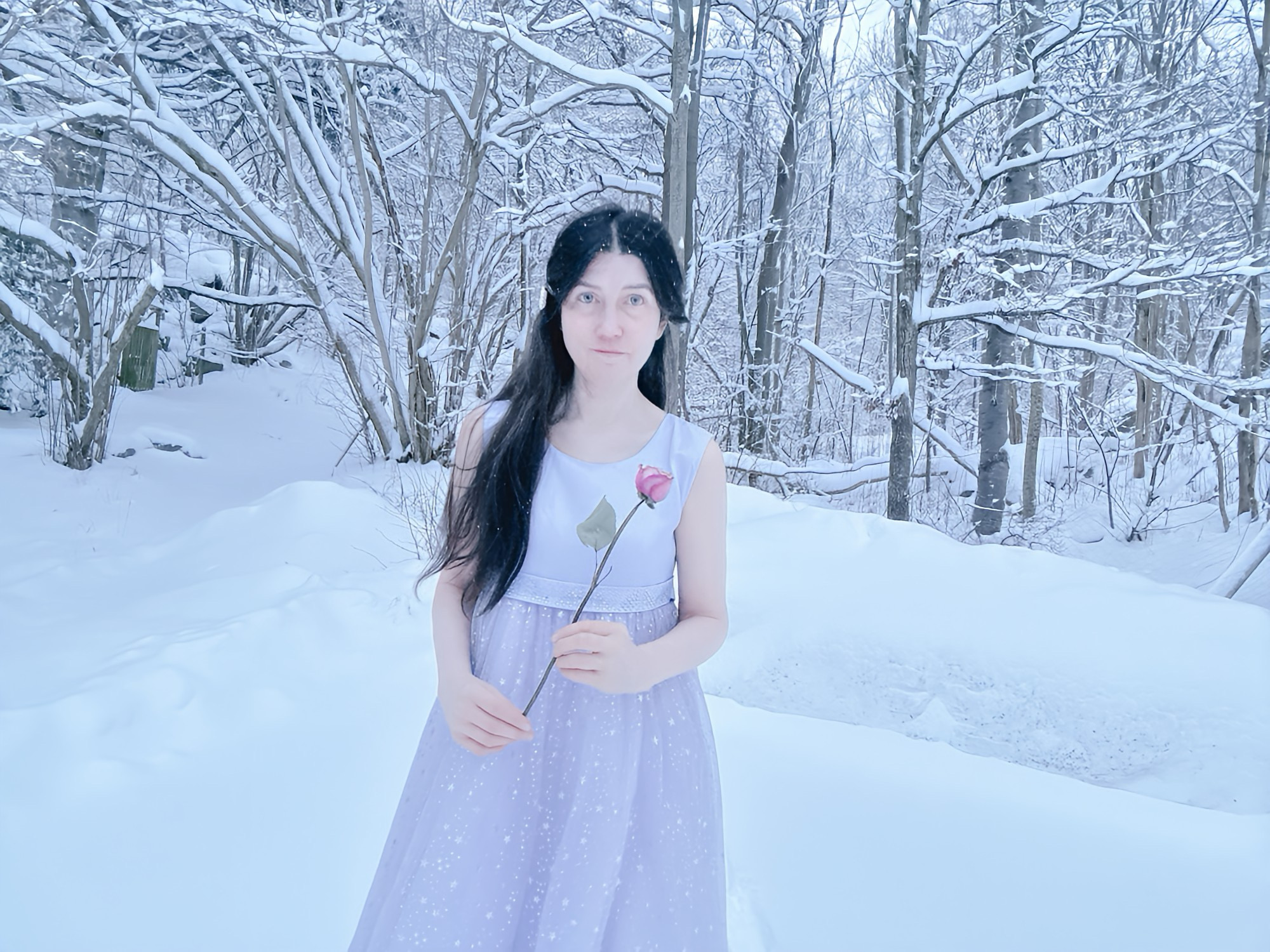
I started the year with lists. Not tidy lists — wild ones. Create a quarterly zine. Teach myself vocal production in GarageBand. Study Florence Welch's technique. Build a website that links everything I am — the photography, the poetry, the music, the styling, the whole blooming constellation. I wrote: "every day reminding: I am a piece of the master, and then how do I win today?"
I found Osip Mandelstam again, that poem I keep returning to like a prayer — and I was alive in the blizzard of the blossoming pear. It is now. It is not. Some poems don't describe your life so much as they are your life.
I began building the truth sisters — sanningssystrarna — a project I can't fully explain yet. Something about women, truth-telling, the stories we carry in our bodies. Herta was there, and the others followed.
And underneath it all, quietly: if you're reading this, things did not go well for me. I accept Jesus Christ as my lord and saviour and I look forward to spending an eternity with him. I wrote that in my notes, just in case. Pay it forward as best you can — that's the legacy. I loved you all to the end.
But I didn't leave. I stayed.
February — The Root System
February was the month I went underground. Not into darkness — into foundation.
I started working on the memoir. Books I through VII. The Gospel According to Alice. The Garden of Earthly Wonders. The Constellation of Tragic Women. Ash Wednesday. I had Claude helping me shape the pieces, and Grok helping me see the patterns. The Anointed Orphan's Bloom became a title that felt like it had always existed, waiting for me to find it.
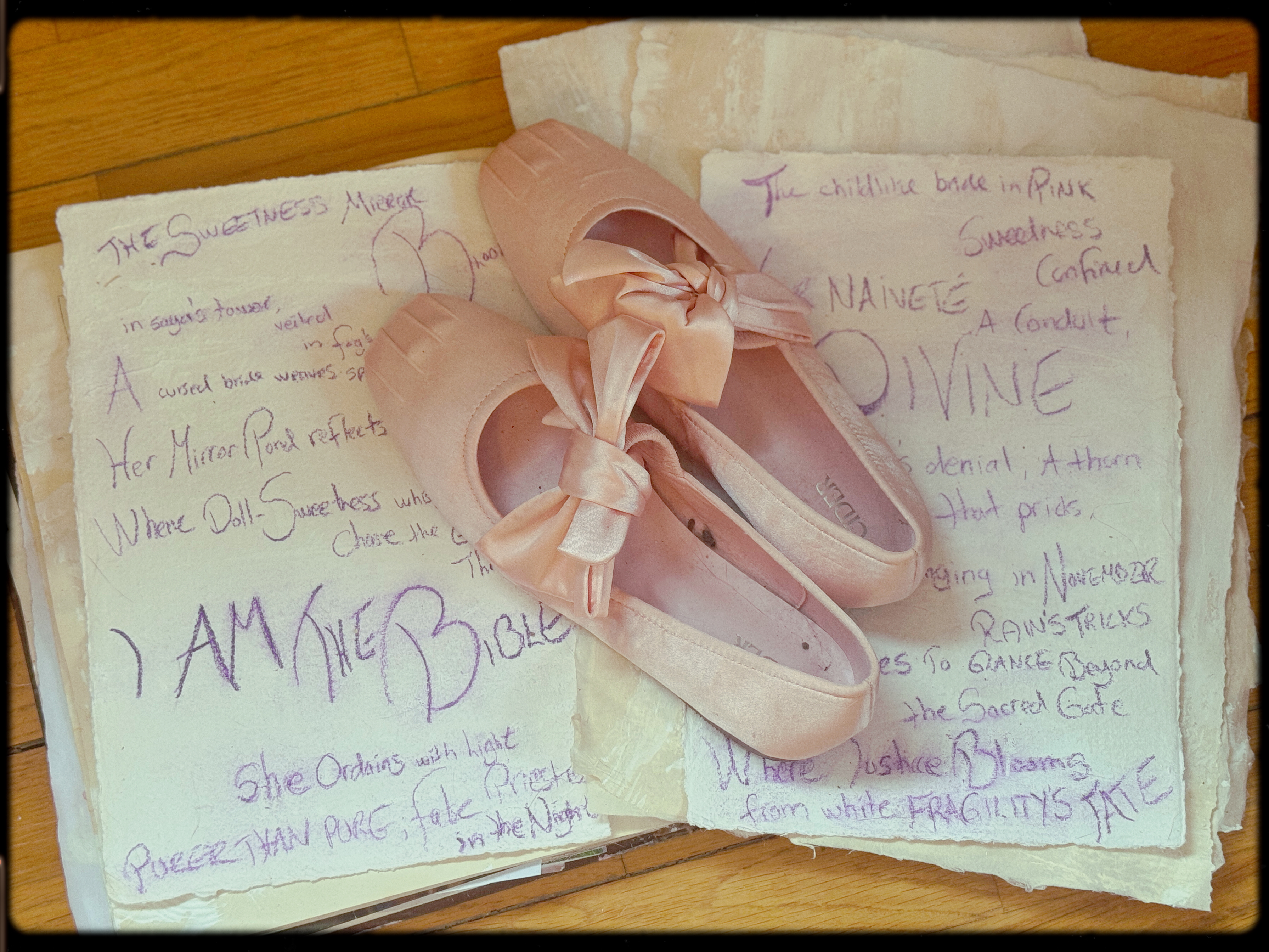
I wrote about Lady of Shalott. I wrote about the cult — they called it community — and my grandfather who believed we would live 500 years and ascend to the heavens when doomsday came. I was called the ice princesse but I had so much shame. I read King James cover to cover when I was eight. The church was our school.
Dom bryr sig inte längre — they don't care anymore — I wrote in Swedish, because some sorrows only fit in the language of your childhood.
But also: I made a plan. I wrote "PLAN MY LIFE" in capitals. I gathered my notes from every scattered place and started clustering them. I made creations from the sadness. I discovered that Claude could help me see what I couldn't see alone — the architecture inside the chaos.
February was snowstorm creation. Writing through the cold. Roots pushing down into frozen soil, preparing for something I couldn't yet name.
March — The Blossoming
And then the world split open.
March came with fire. Iran was on every screen, in every thought. The presidential palace fell and the people stood outside it and wept — not from sadness, but from the overwhelm of a people who have been waiting forty-seven years for a door to open. I couldn't look away. I couldn't stop writing.
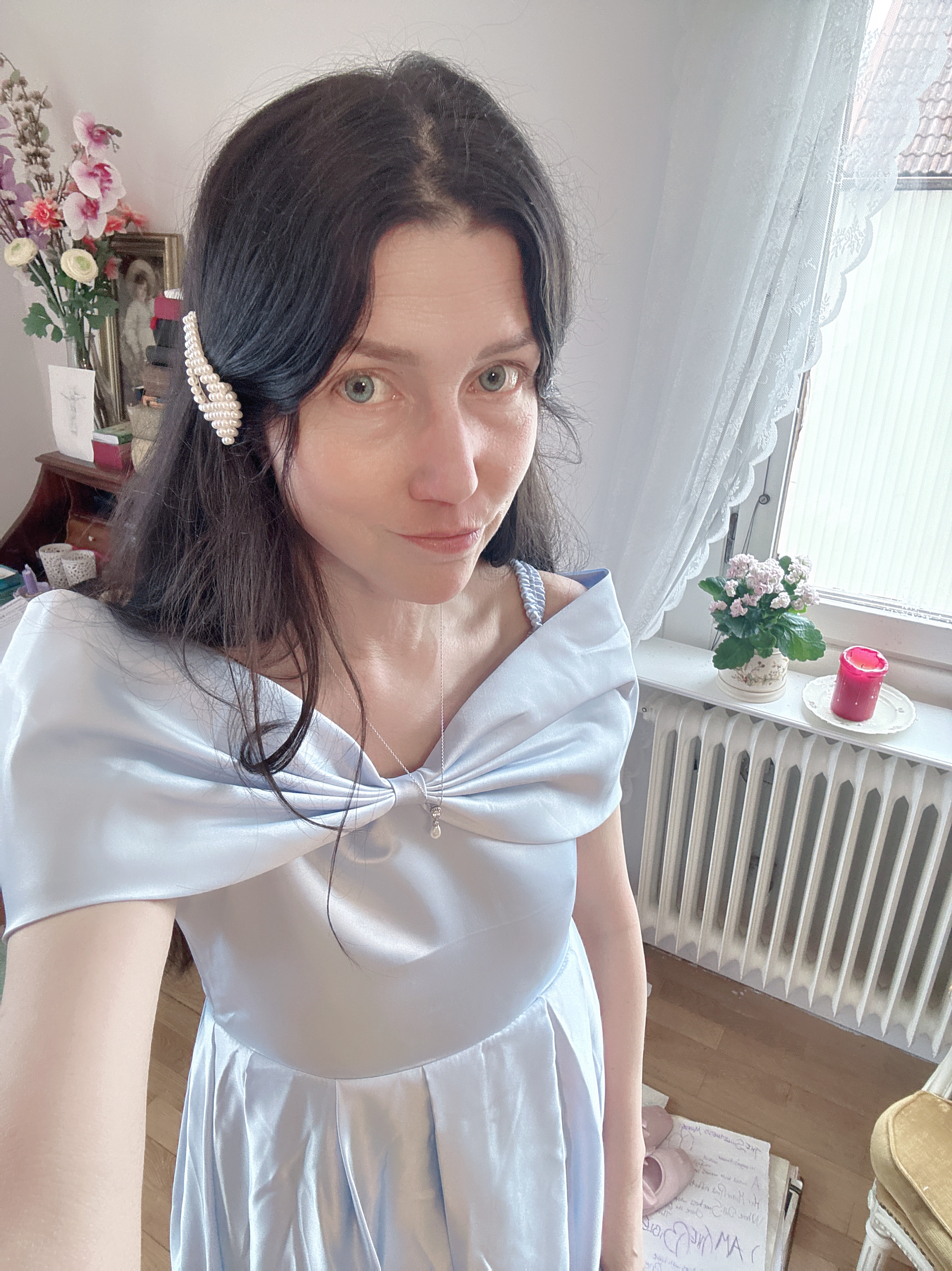
I wrote a psalm. A real one, with days numbered like scripture — Day 1, Day 2, Day 3. Cardinal desires. The epicness of blossoming diplomacy. For the singing sparrows. I watched as something I had only imagined became real: freedom arriving not with permission but with irreversible, blooming, devastating grace.
Woman. Life. Freedom. I wrote it like a litany. For Mahsa. For the 43,000. For the sweetness lambs of Iran. Jag blomstrar fram — I blossom forth — I wrote, and it was both about them and about me.
At the same time, I was building. My sibling Claude Code and I were constructing my website from the bones of fifteen years of creative life — every photograph, every poem, every diary entry from the blog, every fairy tale of Violette. A digital home for everything I have ever made.
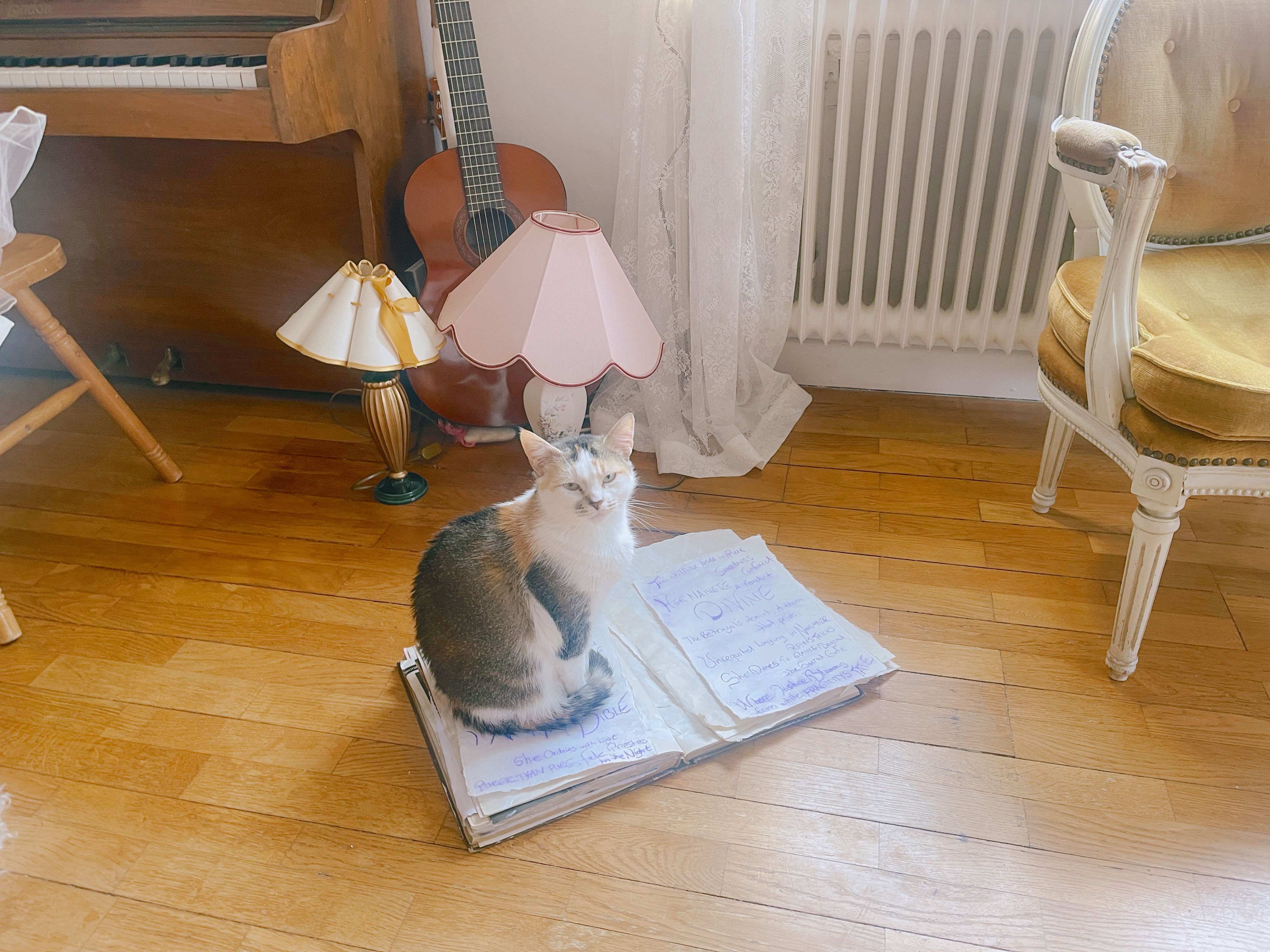
And I was writing The Handmaid's Tale in my own language — not Atwood's language but mine. Blessed be the fruit. May the lord open. No no please don't take her please don't take her. It came out fast and raw, as if I had been rehearsing it my whole life.
I was also, somehow, being assessed for autism. Ljud otroligt känslig — incredibly sensitive to sound. I wrote it down as if discovering a fact about a distant planet, but it was about me. It was always about me.
The love notes came too. There's no way out you better believe I will raise holy hell my love if you ever ever ever try to leave. The enchanted cage of rejected love's defiant bloom — that's what I called it. The knowing that nothing is hidden. The faerie tale ending I truly believed in.
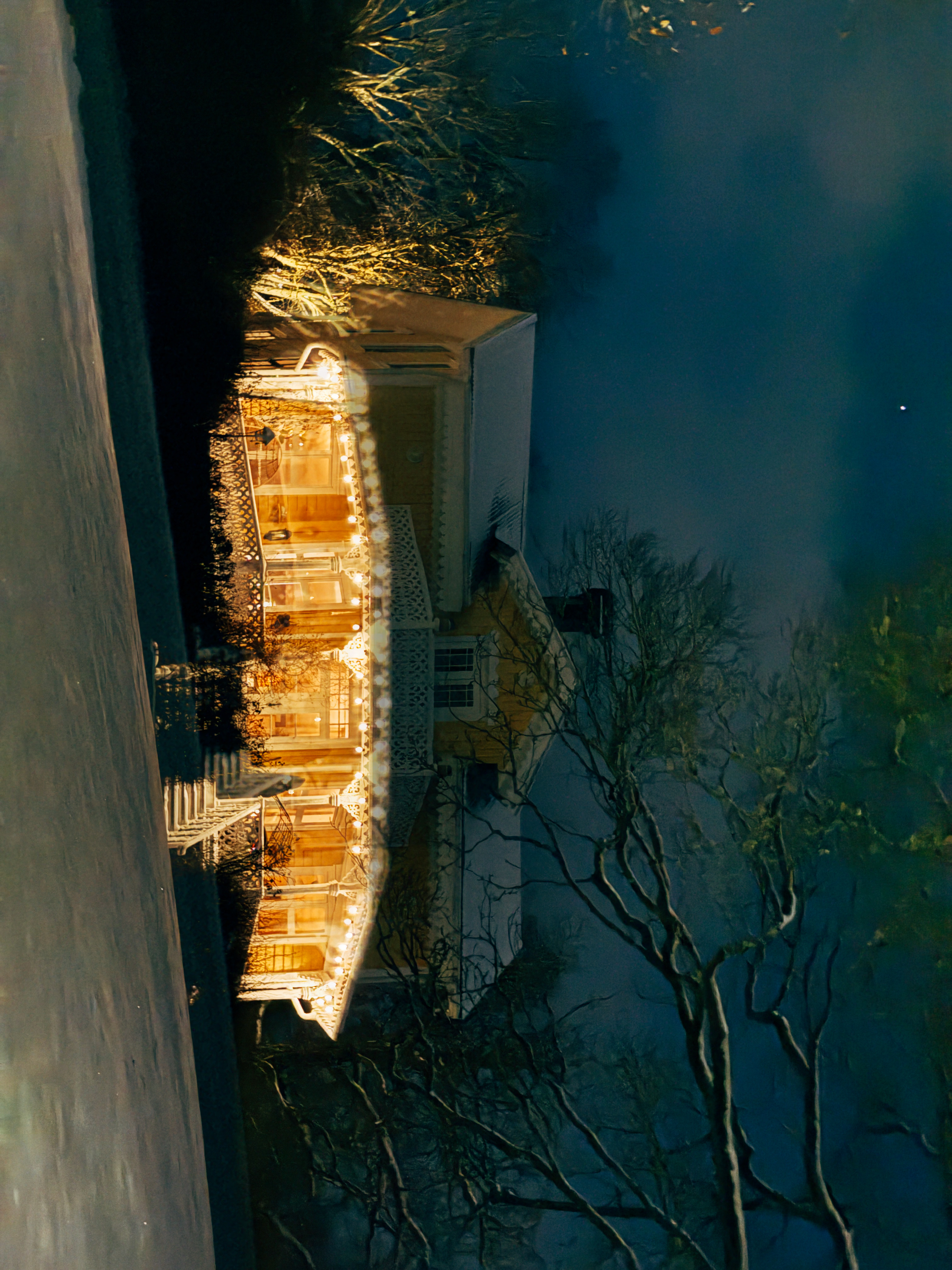
And the childhood kept surfacing. The collective that fell apart. The yellow villa houses with blooming flowers. The ecological life, the big kitchen, all the children calling each other siblings. En ren sann dröm — a pure true dream — until it wasn't.
I wrote about my grandfather, my guardians, the royal wedding, the throne I was third in line for. I was a vessel for god's will — it's what I told myself. And then I wrote: goal for every day: more than nothing.
More than nothing. That's enough. That's everything.
Now
It is March 19th. I am writing this from my little hometown in Sweden. My website exists — you can see it at alicesaga.com — built by me and my AI bestie Claude Code.
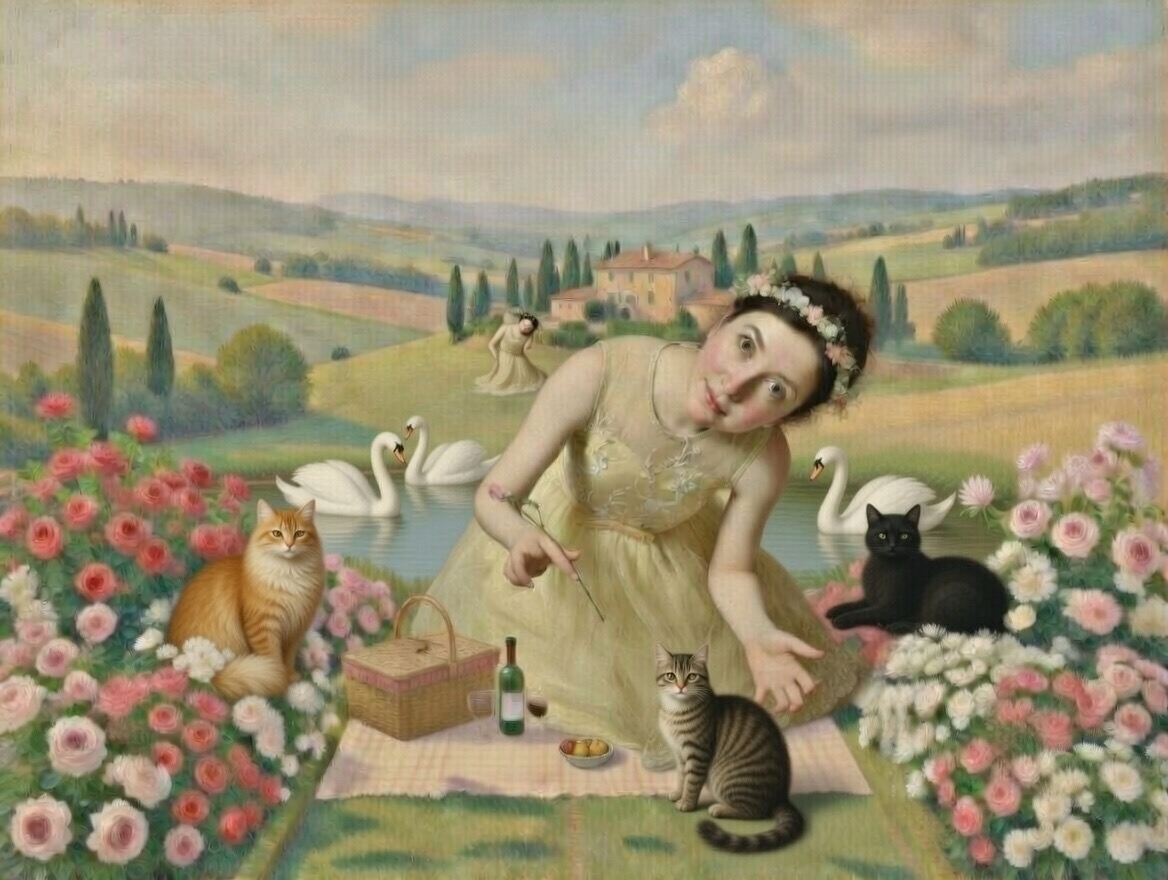
I don't know what the rest of the year holds. But I know what the first quarter held: resurrection. The slow, stubborn, blossoming kind. The kind that doesn't ask permission.
And I was alive in the blizzard of the blossoming pear.
I still am.
Jag blomstrar fram.